
To winterize pressurized irrigation in Saratoga Springs, leave your individual shut-off valves open while the city drains the system the week of October 15, then close your individual ball valve after November 1. The city charges the system the week of April 15 and drains it the week of October 15, and in between it is inactive. This page covers the plumbing side: hose bibs, backflow, the separation of irrigation and drinking water lines, and finding leaks in spring.
Pressurized irrigation is non-potable water used only outdoors, and it runs in its own system. Your drinking water plumbing is a different system with different freeze risks, and the two should never be connected.
A season calendar for the irrigation system
| When | What the city does | What you do |
|---|---|---|
| Before charging | Prepares to charge the system | Make sure your secondary water valve is in the off position |
| Week of April 15 | Charges the system | Wait to turn it on, and check for leaks once it is charged |
| About two weeks later | System is fully charged | Water pressure is best after about two weeks, so start using it then |
| Week of October 15 | Drains the system | Leave individual shut-off valves open so the system can drain |
| After November 1 | System is inactive | Close your individual ball valve with the handle perpendicular to the pipe |
Dates are from the City's Pressurized Irrigation page. Check it for any update before you act.
Why you leave the valves open in fall
An open valve lets water drain out of the lines as the city drains the system. A closed valve can trap water in your piping, and water that freezes expands and can crack fittings and valve bodies.
The ball valve is the final step, and the city says to close it after November 1. Closing it earlier risks trapping water before the drain is finished.
Hose bibs and other drinking water lines outside
Your outdoor hose bibs are on the drinking water system, not the irrigation system, and they need their own winter steps. Disconnect hoses and splitters before cold weather, since a hose left on holds water against the faucet.
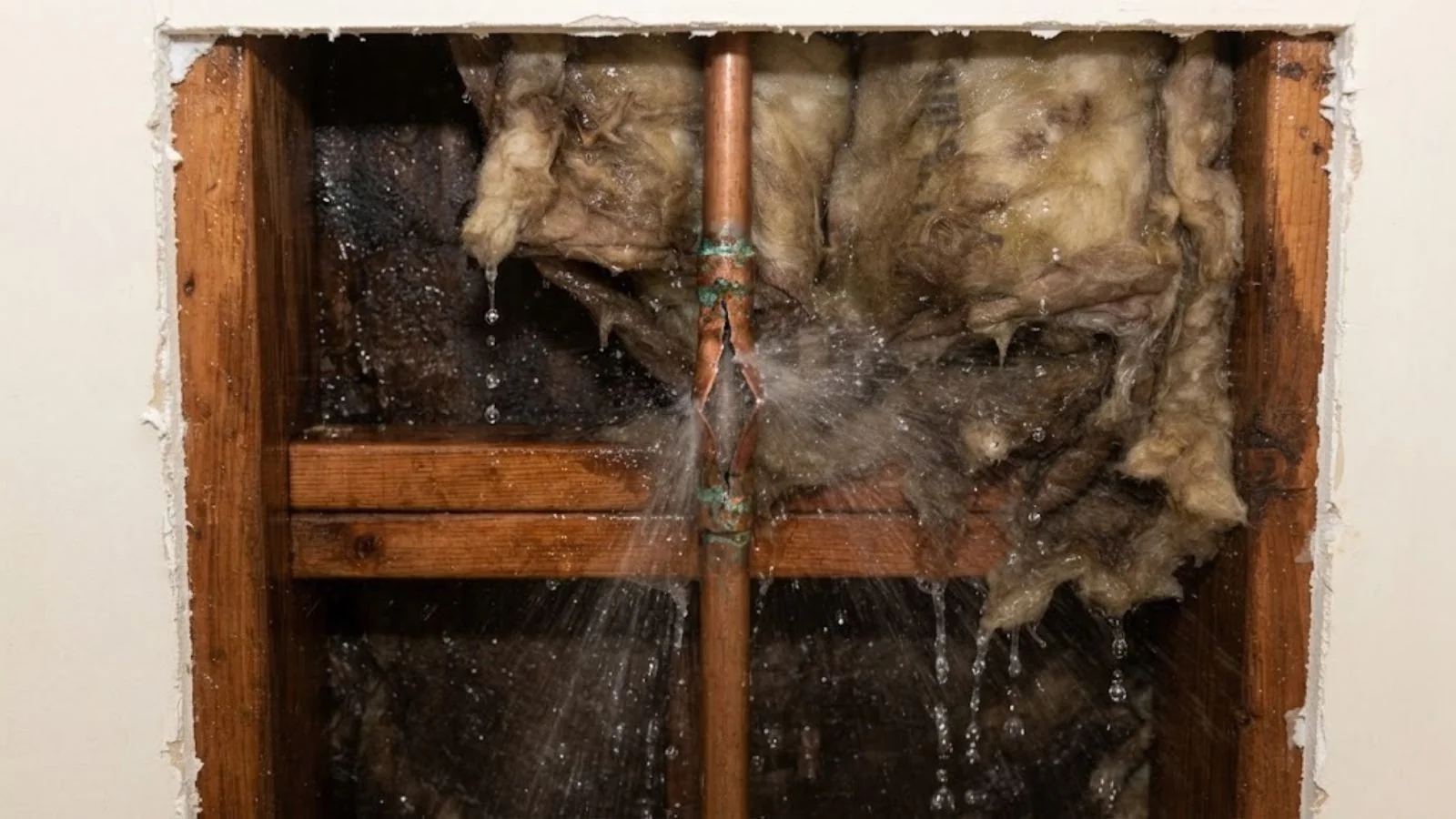
If your bib has an interior shut-off, close it and open the bib outside to drain the short run. A bib that drips all winter, or one that sprays inside the wall once it thaws, is a burst pipe waiting to happen. Call us right away if you find water where it should not be.
Backflow and keeping the two systems separate
A backflow device stops water from running backward from a sprinkler line into a drinking water line. It is a safety piece. If you have one, protect it from freezing the same way you would any exposed fitting, and ask the city or a licensed plumber about testing.
Never connect irrigation piping to your drinking water plumbing. The city says cross connections between the culinary and irrigation lines are illegal. Common mistakes are a hose bib tied to a sprinkler manifold or a quick connector linking the two.
Need a plumber right now?
The 24/7 line is open. A dispatcher will book a licensed plumber.
Finding irrigation leaks in spring
After the system is charged, walk each zone. A soggy patch on a dry day, a head that geysers, or a hiss at the valve box usually points to a break. Heads and fittings that cracked over winter are common culprits.
- Turn off every zoneClose the zone valves and watch the lawn. Wet spots that persist point to a leak in a main line.
- Check the valve boxOpen the green box near the property line and listen for running water with the ball valve open and all zones off.
- Test one zone at a timeRun each zone and look for broken heads, low spots and misted pipe joints.
- Mark and compareNote where water surfaces. A string of wet spots along a line suggests a pipe break between them.
Mistakes that cost homeowners a repair
Closing the valve before the drain week
The city asks you to leave individual shut-off valves open so the system drains.
Leaving hoses on hose bibs
A hose holds water against the faucet, and that water can freeze and split the bib.
Linking irrigation to house plumbing
Cross connections are illegal and can put non-potable water in your drinking supply.
Forgetting where the green box is
You need the location to shut the ball valve in November and check it in spring.
Skipping the spring leak walk
A broken line waters one spot for weeks before the lawn shows it.
Signs a freeze damaged something
Check after the first hard freeze
- A hose bib that drips or sprays inside the wall when water is turned on
- A wet spot in a garage or crawl space on a cold morning
- Reduced flow at one fixture after a hard freeze
- Water hammer, a bang when a valve closes, in lines that run outside
- An unexplained jump on the water meter with every fixture off
What we handle and what we do not
Zone valves, heads and timers are irrigation contractor work. We handle drinking water plumbing, including leaks in supply lines and hose bib breaks, and we can check whether a leak is in your culinary line or in the irrigation. Leak detection with acoustic listening and pressure testing is how we separate the two.
We serve Lehi and American Fork too, and we answer burst pipe calls day and night.
A quick winter checklist
Before the first hard freeze
- Leave individual shut-off valves open when the city drains the system
- Close the individual ball valve after November 1
- Disconnect hoses and close the interior shut-off to outdoor bibs
- Do not connect irrigation and drinking water lines
- Look at exposed outdoor pipes for insulation gaps
Saratoga Springs: the city's rules for pressurized irrigation
The City's Pressurized Irrigation page says this is non-potable water that should never be used for drinking, cooking or playing in. Keep kids and pets away from it, and do not fill pools or drinking bowls from it.
The page says irrigation systems should not be turned on between 10 AM and 6 PM. Set your timers outside that window so you are following the city and not running sprinklers through the hottest part of the day.
Homeowner connections are in a green box marked irrigation near the property line, usually a 1-inch ball valve. Learn where it is now, because that is your fall and spring control point.
Source: city utility page (Pressurized Irrigation)
Frequently asked questions
The city charges the system the week of April 15 and drains it the week of October 15. It asks residents to wait about two weeks after charging for the best pressure.
Leave individual shut-off valves open while the city drains the system. After November 1, close the individual ball valve with the handle perpendicular to the pipe.
The city says this is non-potable water and should never be used for drinking, cooking or playing in. Do not use it indoors or for anything that touches people.
No. The city says cross connections between the culinary and irrigation water lines are illegal. If you suspect a connection, have it checked.
Public Works handles city infrastructure and a plumber handles pipes on your property. If you are unsure, call us and we can test your side, then you can contact Public Works about the rest.
Still unsure? Call (385) 488-1892
Sources and references
Local facts on this page come from public pages like these. The city lists the 2021 International Plumbing Code (IPC) as adopted, and permit rules vary by job, so ask the Saratoga Springs building department before work starts. Page last reviewed 2026-10-15.