
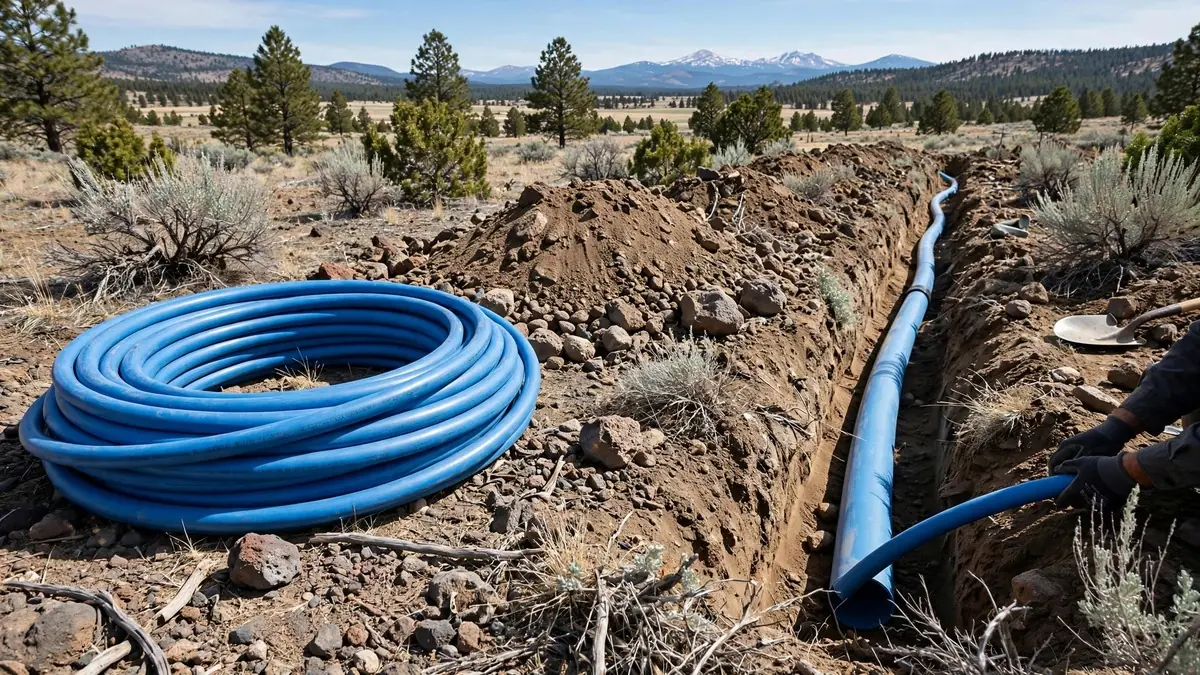
Underground water leak detection in Saratoga Springs, UT uses listening devices, pressure tests, tracer gas, a pipe locator and sometimes a thermal camera to find a buried leak before anyone digs. The goal is a spot the size of a dinner plate, not a trench across the yard. Which method works depends on the pipe material, the soil and how much noise the leak makes.
This guide lays out the methods in a table, then covers what comes after the leak is found, the signs that point to a buried leak, and why you should call 811 before any digging.
Signs that a leak is under the ground
What a buried leak looks like from the surface
- Water meter keeps moving after you shut every tap off
- A wet or sunken patch of lawn when it has not rained
- Warm spots on a slab floor, or a hot-water line that runs a long time before the water warms
- Sound of running water in a quiet house
- A drop in water pressure at every fixture
- A bill that climbs without a change in how you use water
How the methods differ
| Method | What it finds | Limits |
|---|---|---|
| Acoustic listening | The hiss or hum of water escaping a pressurized pipe | Plastic pipe and soft soil carry sound poorly, and traffic noise masks it |
| Pressure test | Whether a section of pipe holds pressure when isolated | Shows that a leak exists, not exactly where it is |
| Tracer gas | Gas pumped into the empty line escapes at the break and is sniffed at the surface | Needs the line isolated and drained first |
| Pipe locator | The path and depth of a buried line | Locates the pipe, not the leak, so it pairs with another method |
| Thermal imaging | Temperature differences from a leaking hot line or wet slab | Works best for hot water leaks and surface-near water |
| Camera inspection | Cracks and breaks inside drain and sewer lines | Covers waste pipes, not pressurized supply lines |
Plumbers usually combine two methods to confirm a spot before digging.
A locate from first call to marked spot
- Confirm the leakThe plumber repeats the meter test with the main valve open and closed to separate house plumbing from the buried line.
- Trace the pipeA pipe locator follows the line from the meter toward the house, so the search covers the right strip of ground.
- Listen and testListening gear goes on valves and the ground, and a pressure test isolates the section that loses pressure.
- Mark and confirmThe spot is marked with paint or flags, and a second method confirms it before any digging.
Hot and cold lines behave differently. A hot water line leaks warm water that a thermal camera can see, while a cold line leak depends on sound and pressure. If only the hot side loses pressure, tell the plumber so the search starts there.
What happens after the leak is found
Once the spot is marked, you have three questions: how bad is the damage, how long is the damaged section, and how can it be reached? A short break may be repaired with a trench of a few feet. A long run of failing pipe is a different decision.
That decision is between water line repair and replacing more of the line, and we show you what was found before work starts. If leaks keep recurring, a longer section is often the better answer than a string of spot repairs.
Need a plumber right now?
The 24/7 line is open. A dispatcher will book a licensed plumber.
Why you call 811 before the shovel goes in
Blue Stakes of Utah asks you to call 811 at least three business days before you dig. Buried gas, electric and communication lines can sit close to a water line, and a missed strike is dangerous and expensive.
The marking covers the lines the utilities own. The pipe from the meter to your house may belong to you, and utilities do not mark lines they do not own. A plumber can use a pipe locator to trace your own line, so ask us about that before digging.
Slab leaks and why they need a different plan
A leak under a concrete slab behaves like a buried leak, but the options differ because the pipe is under the floor. Listening gear on the floor and a thermal camera on the slab narrow the location, and the plumber then decides whether to open the slab or reroute the line overhead.
Our leak detection page covers slab, wall and meter leaks in more detail.
What changes the bill for leak detection
Number of methods
A single listening pass is quicker than a pressure test plus tracer gas. A stubborn leak takes more than one method.
Access
Clear lawn is easy. A leak under a driveway, patio or finished slab takes more time to reach.
Pipe material and age
Plastic pipe transmits sound poorly, so the plumber may rely more on pressure and gas methods.
Repair afterward
Detection and repair are separate steps. Ask for the detection result in writing before you approve the repair.
We do not publish a price list. Call (385) 488-1892 and describe what you see, and you get a clear price before work starts.
What to do before the plumber arrives
Close the main shutoff if water is surfacing or the meter is racing. Photograph the wet area and the meter, and note when you first saw it. Mark any sprinkler lines you know of with flags so the crew avoids them.
Keep children and pets off soft, wet ground, because a saturated patch can hide a void where the soil has washed away. Do not dig it out yourself. Opening the wrong spot can damage the pipe or a nearby cable.
Calling from nearby towns
We dispatch from Saratoga Springs and also take leak calls in Eagle Mountain and American Fork. If the meter test points to your yard, give the dispatcher your meter reading and the time of the test.
Saratoga Springs: 811, Blue Stakes and the line you own
Blue Stakes of Utah says to call 811 at least three business days before you dig. Utilities do not mark lines they do not own, and the pipe from the meter to the house may belong to the homeowner. Plan any dig around the three-business-day wait, and ask a plumber to trace your own water line with a locator in the meantime.
Saratoga Springs also has a separate pressurized irrigation system with its own green box marked irrigation near the property line, usually with a 1-inch ball valve. A wet lawn patch can come from that system or from your drinking water line, so a meter test with the irrigation valve closed helps tell them apart.
Source: state utility locating service page
Frequently asked questions
Accuracy depends on the method and the conditions. A plumber who combines listening with a pressure test or tracer gas can often narrow a leak to a small area. We confirm the spot before anyone breaks ground.
No. Detection exists so that the dig is small. The plumber marks the spot and opens only that area, and you see what was found before repair begins. A small opening costs less to restore, which is why we prefer to confirm the spot with two methods first.
Often yes, using listening gear and a thermal camera on the floor. The harder question is the repair, because a slab may need to be opened or the line rerouted.
A meter test tells you whether you have a leak, and a wet patch of lawn hints at where. Finding the exact spot of a buried pipe usually takes a locator and listening gear, which most homeowners do not own.
Utilities mark the lines they own, and Blue Stakes of Utah asks you to call 811 at least three business days before digging. The pipe from the meter to the house may belong to the homeowner, so a plumber with a pipe locator can trace it.
Still unsure? Call (385) 488-1892
Sources and references
Local facts on this page come from public pages like these. The city lists the 2021 International Plumbing Code (IPC) as adopted, and permit rules vary by job, so ask the Saratoga Springs building department before work starts. Page last reviewed 2026-10-15.